Buy ilpartitodeisardi.eu ?
We are moving the project
ilpartitodeisardi.eu .
Are you interested in purchasing the domain
ilpartitodeisardi.eu ?
domain@kv-gmbh.de · 0541-91531010
Buy ilpartitodeisardi.eu ?
Can a hermaphrodite with both sex organs self-fertilize?
Yes, hermaphrodites with both male and female sex organs have the potential to self-fertilize. In some species, hermaphrodites have the ability to produce both eggs and sperm, allowing them to fertilize their own eggs. This process is known as self-fertilization or selfing. However, not all hermaphrodites are capable of self-fertilization, as it depends on the specific reproductive biology of the individual species. **
Can a hermaphrodite with both sexual organs self-fertilize?
Yes, hermaphrodites with both male and female sexual organs have the potential to self-fertilize. This means that they can produce offspring without the need for a mate. However, self-fertilization is not always the preferred method of reproduction for hermaphrodites, as it can limit genetic diversity and increase the risk of harmful genetic mutations. In many cases, hermaphrodites will still seek out a mate for sexual reproduction. **


Similar search terms for Self-fertilize
Top-Angebote
Products related to Self-fertilize:
-
Novica Handmade Tradition Of The Heart Basalt BowlPrepare herbs, spices and sauces the way our ancestors did--with handmade stone tools. The Comonfort Group presents this heart-shaped basalt bowl, crafted by hand in a labor-intensive process.132,98 $*Shipping: 0,00 $Secure redirect to the provider
-
Fusion Finds Trifold Mirror For Self Haircuts Adjustable Self Haircut Mirror For Men & Women Trifold Mirror For Self Haircuts Adjustable Self Haircut Mirror For Men & WomenTake control of your grooming routine and achieve barbershopquality results from the comfort of home. This 3 way mirror is designed for anyone who wants precise, confident selfhaircuts, shaving, braiding, or hair coloring without the extra expense...59,97 $*Shipping: 0,00 $Secure redirect to the provider
-
Quick Pick Pro Portable Self Tanning Brush, Self Tan Brush Soft Body Makeup Brush, Self Tanner Face Brush For Body And Leg Makeup Portable Self Tanning Brush, Self Tan Brush Soft Body Makeup Brush, Self Tanner Face Brush For Body And Leg MakeupFlawless Tanning Made Simple Achieve a smooth, streakfree tan every time with our Self Tan Brush Soft Body Makeup Brush. Designed for even blending and maximum coverage, this brush ensures your favorite selftanner or bronzer glides effortlessly...22,97 $*Shipping: 0,00 $Secure redirect to the provider




-
How often do you fertilize?
I fertilize my plants every 2-4 weeks during the growing season, which is typically spring and summer. I use a balanced liquid fertilizer to provide essential nutrients for healthy growth. During the fall and winter months, I reduce the frequency of fertilizing to once every 6-8 weeks or as needed based on the plant's condition. It's important to follow the specific fertilizing recommendations for each type of plant to avoid over-fertilization. **
-
How do you fertilize bonsai?
Fertilizing bonsai is essential for their health and growth. It is recommended to use a balanced, water-soluble fertilizer specifically designed for bonsai trees. Fertilize your bonsai during the growing season, typically from spring to fall, following the instructions on the fertilizer package. Be sure to dilute the fertilizer to avoid burning the roots, and apply it to the soil surface rather than the foliage. Additionally, it is important to regularly flush the soil with water to prevent salt buildup from the fertilizer. **
-
Should one fertilize before sowing?
It is generally recommended to fertilize before sowing to provide essential nutrients for the seeds to germinate and grow. Fertilizing the soil before sowing can help improve soil fertility, promote healthy plant growth, and increase crop yield. However, it is important to follow the recommended application rates and timings for fertilizers to avoid nutrient imbalances or damage to the seeds. **
-
Why do we fertilize vegetables?
We fertilize vegetables to provide them with essential nutrients that may be lacking in the soil. These nutrients, such as nitrogen, phosphorus, and potassium, are necessary for the healthy growth and development of the plants. Fertilizing also helps to improve the overall health and productivity of the vegetable plants, leading to better yields and higher quality produce. Additionally, proper fertilization can help to prevent nutrient deficiencies and ensure that the plants have the resources they need to thrive. **

How do you fertilize rhubarb?
To fertilize rhubarb, you can apply a balanced fertilizer in the early spring before new growth begins. Use a fertilizer with a ratio of 10-10-10 or similar, and apply it around the base of the plant according to the package instructions. Avoid over-fertilizing, as this can lead to excessive leaf growth at the expense of the edible stalks. Additionally, incorporating organic matter such as compost into the soil around the plant can also help provide nutrients for healthy growth. **
Does he fertilize sterilized soil?
No, he does not fertilize sterilized soil. Fertilizing sterilized soil would be unnecessary and ineffective, as sterilized soil has been treated to remove all living organisms, including beneficial bacteria and fungi that help plants absorb nutrients. Fertilizing is typically done in non-sterilized soil to provide essential nutrients for plant growth. **
Top-Angebote
Products related to Self-fertilize:
-
RLF Home Tradition Provance Valance"Fits Windows up to 50""W. Use multiples for Wider Windows. Decorator's quality fabrics. Fully lined with Poly/Cotton Ivory lining. Use a 2-1/2"" Continental Rod, a regular 3/4"" Curtain rod, Tension rod or Decorative pole no more than 1-3/8"" Diameter."64,49 $*Shipping: 0,00 $Secure redirect to the provider
-
Les Jardins LED path light Tradition Sensor Corten 90cm Tradition, dimmable, Brown / rust, Aluminium, Modern, outdoor solar lightsThe LED path light Tradition made of aluminum shows a modern cuboid shape and rust-brown corten steel finish. It can be operated autonomously thanks to equipment with solar module, rechargeable battery and motion sensor.- equipped with dimming function- operating time when fully charged: 5 h to 200 h (depending on light output)- protection class: IP66- alternatively rechargeable via USB connection- via ground spike (included) or permanently installable398,43 £*Shipping: 4,99 £Secure redirect to the provider
-
Novica Handmade Tradition Of The Heart Basalt BowlPrepare herbs, spices and sauces the way our ancestors did--with handmade stone tools. The Comonfort Group presents this heart-shaped basalt bowl, crafted by hand in a labor-intensive process.132,98 $*Shipping: 0,00 $Secure redirect to the provider
-
Fusion Finds Trifold Mirror For Self Haircuts Adjustable Self Haircut Mirror For Men & Women Trifold Mirror For Self Haircuts Adjustable Self Haircut Mirror For Men & WomenTake control of your grooming routine and achieve barbershopquality results from the comfort of home. This 3 way mirror is designed for anyone who wants precise, confident selfhaircuts, shaving, braiding, or hair coloring without the extra expense...59,97 $*Shipping: 0,00 $Secure redirect to the provider
-
Can a hermaphrodite with both sex organs self-fertilize?
Yes, hermaphrodites with both male and female sex organs have the potential to self-fertilize. In some species, hermaphrodites have the ability to produce both eggs and sperm, allowing them to fertilize their own eggs. This process is known as self-fertilization or selfing. However, not all hermaphrodites are capable of self-fertilization, as it depends on the specific reproductive biology of the individual species. **
-
Can a hermaphrodite with both sexual organs self-fertilize?
Yes, hermaphrodites with both male and female sexual organs have the potential to self-fertilize. This means that they can produce offspring without the need for a mate. However, self-fertilization is not always the preferred method of reproduction for hermaphrodites, as it can limit genetic diversity and increase the risk of harmful genetic mutations. In many cases, hermaphrodites will still seek out a mate for sexual reproduction. **
-
How often do you fertilize?
I fertilize my plants every 2-4 weeks during the growing season, which is typically spring and summer. I use a balanced liquid fertilizer to provide essential nutrients for healthy growth. During the fall and winter months, I reduce the frequency of fertilizing to once every 6-8 weeks or as needed based on the plant's condition. It's important to follow the specific fertilizing recommendations for each type of plant to avoid over-fertilization. **
-
How do you fertilize bonsai?
Fertilizing bonsai is essential for their health and growth. It is recommended to use a balanced, water-soluble fertilizer specifically designed for bonsai trees. Fertilize your bonsai during the growing season, typically from spring to fall, following the instructions on the fertilizer package. Be sure to dilute the fertilizer to avoid burning the roots, and apply it to the soil surface rather than the foliage. Additionally, it is important to regularly flush the soil with water to prevent salt buildup from the fertilizer. **
Similar search terms for Self-fertilize
-
Quick Pick Pro Portable Self Tanning Brush, Self Tan Brush Soft Body Makeup Brush, Self Tanner Face Brush For Body And Leg Makeup Portable Self Tanning Brush, Self Tan Brush Soft Body Makeup Brush, Self Tanner Face Brush For Body And Leg MakeupFlawless Tanning Made Simple Achieve a smooth, streakfree tan every time with our Self Tan Brush Soft Body Makeup Brush. Designed for even blending and maximum coverage, this brush ensures your favorite selftanner or bronzer glides effortlessly...22,97 $*Shipping: 0,00 $Secure redirect to the provider
-
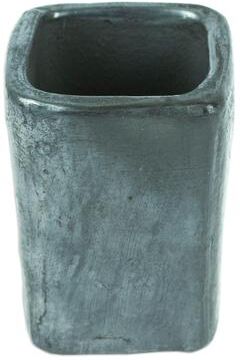
Novida Novica Handmade Festive Tradition Barro Negro Shot GlassMexico's Fernando and Magali Pedro craft a unique creation from traditional barro negro ceramic. After a long and detailed process, this high-quality shot glass is ready to be that elegant item you need for your parties.28,48 $*Shipping: 0,00 $Secure redirect to the provider
-
Uplifted Finds Self Cleaning Grooming Slicker Brush Self Cleaning Grooming Slicker BrushKeep your pets coat sleek and healthy with this SelfCleaning Grooming Slicker Brush. Designed for efficient hair removal, this brush features fine stainless steel bristles that penetrate deep into the undercoat to remove loose fur, dander, and...31,97 $*Shipping: 0,00 $Secure redirect to the provider
-
Should one fertilize before sowing?
It is generally recommended to fertilize before sowing to provide essential nutrients for the seeds to germinate and grow. Fertilizing the soil before sowing can help improve soil fertility, promote healthy plant growth, and increase crop yield. However, it is important to follow the recommended application rates and timings for fertilizers to avoid nutrient imbalances or damage to the seeds. **
-
Why do we fertilize vegetables?
We fertilize vegetables to provide them with essential nutrients that may be lacking in the soil. These nutrients, such as nitrogen, phosphorus, and potassium, are necessary for the healthy growth and development of the plants. Fertilizing also helps to improve the overall health and productivity of the vegetable plants, leading to better yields and higher quality produce. Additionally, proper fertilization can help to prevent nutrient deficiencies and ensure that the plants have the resources they need to thrive. **
-
How do you fertilize rhubarb?
To fertilize rhubarb, you can apply a balanced fertilizer in the early spring before new growth begins. Use a fertilizer with a ratio of 10-10-10 or similar, and apply it around the base of the plant according to the package instructions. Avoid over-fertilizing, as this can lead to excessive leaf growth at the expense of the edible stalks. Additionally, incorporating organic matter such as compost into the soil around the plant can also help provide nutrients for healthy growth. **
-
Does he fertilize sterilized soil?
No, he does not fertilize sterilized soil. Fertilizing sterilized soil would be unnecessary and ineffective, as sterilized soil has been treated to remove all living organisms, including beneficial bacteria and fungi that help plants absorb nutrients. Fertilizing is typically done in non-sterilized soil to provide essential nutrients for plant growth. **
* All prices are inclusive of VAT and, if applicable, plus shipping costs. The offer information is based on the details provided by the respective shop and is updated through automated processes. Real-time updates do not occur, so deviations can occur in individual cases. ** Note: Parts of this content were created by AI.