Buy ilpartitodeisardi.eu ?
We are moving the project
ilpartitodeisardi.eu .
Are you interested in purchasing the domain
ilpartitodeisardi.eu ?
domain@kv-gmbh.de · 0541-91531010
Buy ilpartitodeisardi.eu ?
Can salivary stones cause pain?
Yes, salivary stones can cause pain. When a salivary stone blocks the flow of saliva, it can lead to swelling, inflammation, and pain in the affected salivary gland. This pain can be exacerbated by eating or drinking, as it triggers the production of saliva and puts pressure on the blocked gland. In some cases, the pain can be severe and may require medical intervention to remove the stone. **
How does the salivary reflex work in humans?
The salivary reflex in humans is initiated by the presence of food in the mouth. When food is detected by the taste buds and sensory receptors in the mouth, signals are sent to the brainstem, specifically the salivary nuclei. This triggers the release of saliva from the salivary glands, which helps to moisten and break down the food for easier swallowing and digestion. The salivary reflex is an automatic response that helps to prepare the body for the intake of food. **


Similar search terms for Salivary
Top-Angebote
Products related to Salivary:
-
Novica Handmade Tradition Of The Heart Basalt BowlPrepare herbs, spices and sauces the way our ancestors did--with handmade stone tools. The Comonfort Group presents this heart-shaped basalt bowl, crafted by hand in a labor-intensive process.132,98 $*Shipping: 0,00 $Secure redirect to the provider
-
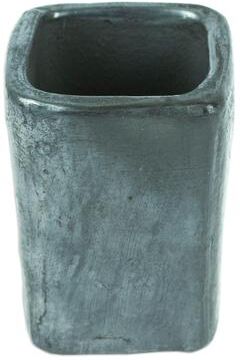
Novida Novica Handmade Festive Tradition Barro Negro Shot GlassMexico's Fernando and Magali Pedro craft a unique creation from traditional barro negro ceramic. After a long and detailed process, this high-quality shot glass is ready to be that elegant item you need for your parties.28,48 $*Shipping: 0,00 $Secure redirect to the provider



-
How does the salivary reflex occur in humans?
The salivary reflex in humans occurs in response to the sight, smell, or taste of food. When these stimuli are detected, the brain sends signals to the salivary glands to start producing saliva. This process is controlled by the autonomic nervous system, specifically the parasympathetic nervous system, which is responsible for regulating involuntary bodily functions. The release of saliva helps to moisten and soften the food, making it easier to chew and swallow. **
-
What are tips for a swollen salivary gland?
If you have a swollen salivary gland, there are a few tips that may help alleviate the discomfort. First, try applying a warm compress to the affected area several times a day to help reduce swelling and promote drainage. Drinking plenty of water and sucking on sour candies or lemon drops can also help stimulate saliva production and promote drainage of the gland. Additionally, avoid consuming foods and drinks that may overstimulate saliva production, such as sour or spicy foods. If the swelling persists or is accompanied by other symptoms, it's important to seek medical attention for further evaluation and treatment. **
-
How does one spit with the salivary gland?
When one spits, the salivary gland produces saliva which is then pushed out of the mouth by the muscles in the cheeks and tongue. The salivary gland continuously produces saliva to keep the mouth moist and aid in the digestion of food. When the body senses the need to expel excess saliva or other substances from the mouth, the muscles contract to push the saliva out, resulting in the act of spitting. **
-
Why does my dog's salivary gland, which was removed, keep swelling?
If your dog's salivary gland was removed and there is swelling in that area, it could be due to an infection or inflammation in the surrounding tissues. Sometimes, a residual or accessory salivary gland may be present and could be causing the swelling. It is important to have your dog evaluated by a veterinarian to determine the cause of the swelling and to provide appropriate treatment. **

Does a blocked salivary gland disappear on its own over time?
A blocked salivary gland may or may not disappear on its own over time. In some cases, a blocked salivary gland can resolve on its own with proper hydration, massage, and warm compresses. However, if the blockage persists, it may require medical intervention such as saliva gland massage, medication, or in some cases, surgical removal of the blockage. It is important to consult a healthcare professional for proper diagnosis and treatment of a blocked salivary gland. **
People, what is this? Why are my salivary glands so swollen?
Swollen salivary glands can be caused by a variety of factors, including viral infections such as mumps, bacterial infections, dehydration, or blockage of the salivary ducts. It's important to see a doctor to determine the cause of your swollen salivary glands and receive appropriate treatment. In the meantime, you can try to relieve the discomfort by drinking plenty of water, applying a warm compress to the affected area, and sucking on sour candies to stimulate saliva production. **
Top-Angebote
Products related to Salivary:
-
RLF Home Tradition Provance Valance"Fits Windows up to 50""W. Use multiples for Wider Windows. Decorator's quality fabrics. Fully lined with Poly/Cotton Ivory lining. Use a 2-1/2"" Continental Rod, a regular 3/4"" Curtain rod, Tension rod or Decorative pole no more than 1-3/8"" Diameter."64,49 $*Shipping: 0,00 $Secure redirect to the provider
-
Les Jardins LED path light Tradition Sensor Corten 90cm Tradition, dimmable, Brown / rust, Aluminium, Modern, outdoor solar lightsThe LED path light Tradition made of aluminum shows a modern cuboid shape and rust-brown corten steel finish. It can be operated autonomously thanks to equipment with solar module, rechargeable battery and motion sensor.- equipped with dimming function- operating time when fully charged: 5 h to 200 h (depending on light output)- protection class: IP66- alternatively rechargeable via USB connection- via ground spike (included) or permanently installable398,43 £*Shipping: 4,99 £Secure redirect to the provider
-
Novica Handmade Tradition Of The Heart Basalt BowlPrepare herbs, spices and sauces the way our ancestors did--with handmade stone tools. The Comonfort Group presents this heart-shaped basalt bowl, crafted by hand in a labor-intensive process.132,98 $*Shipping: 0,00 $Secure redirect to the provider
-
Novida Novica Handmade Festive Tradition Barro Negro Shot GlassMexico's Fernando and Magali Pedro craft a unique creation from traditional barro negro ceramic. After a long and detailed process, this high-quality shot glass is ready to be that elegant item you need for your parties.28,48 $*Shipping: 0,00 $Secure redirect to the provider
-
Can salivary stones cause pain?
Yes, salivary stones can cause pain. When a salivary stone blocks the flow of saliva, it can lead to swelling, inflammation, and pain in the affected salivary gland. This pain can be exacerbated by eating or drinking, as it triggers the production of saliva and puts pressure on the blocked gland. In some cases, the pain can be severe and may require medical intervention to remove the stone. **
-
How does the salivary reflex work in humans?
The salivary reflex in humans is initiated by the presence of food in the mouth. When food is detected by the taste buds and sensory receptors in the mouth, signals are sent to the brainstem, specifically the salivary nuclei. This triggers the release of saliva from the salivary glands, which helps to moisten and break down the food for easier swallowing and digestion. The salivary reflex is an automatic response that helps to prepare the body for the intake of food. **
-
How does the salivary reflex occur in humans?
The salivary reflex in humans occurs in response to the sight, smell, or taste of food. When these stimuli are detected, the brain sends signals to the salivary glands to start producing saliva. This process is controlled by the autonomic nervous system, specifically the parasympathetic nervous system, which is responsible for regulating involuntary bodily functions. The release of saliva helps to moisten and soften the food, making it easier to chew and swallow. **
-
What are tips for a swollen salivary gland?
If you have a swollen salivary gland, there are a few tips that may help alleviate the discomfort. First, try applying a warm compress to the affected area several times a day to help reduce swelling and promote drainage. Drinking plenty of water and sucking on sour candies or lemon drops can also help stimulate saliva production and promote drainage of the gland. Additionally, avoid consuming foods and drinks that may overstimulate saliva production, such as sour or spicy foods. If the swelling persists or is accompanied by other symptoms, it's important to seek medical attention for further evaluation and treatment. **
Similar search terms for Salivary
-
Kid's Desert Badge Tradition T-Shirt in Smoked Pearl, Size: XS by AriatA mini version of Dad's favorite tee—he'll want to throw this one on more days than not. Soft yet durable, it can withstand hard play and frequent washes. Kid's Desert Badge Tradition T-Shirt in Smoked Pearl, Size: XS by Ariat22,95 $*Shipping: 0,00 $Secure redirect to the provider
-
How does one spit with the salivary gland?
When one spits, the salivary gland produces saliva which is then pushed out of the mouth by the muscles in the cheeks and tongue. The salivary gland continuously produces saliva to keep the mouth moist and aid in the digestion of food. When the body senses the need to expel excess saliva or other substances from the mouth, the muscles contract to push the saliva out, resulting in the act of spitting. **
-
Why does my dog's salivary gland, which was removed, keep swelling?
If your dog's salivary gland was removed and there is swelling in that area, it could be due to an infection or inflammation in the surrounding tissues. Sometimes, a residual or accessory salivary gland may be present and could be causing the swelling. It is important to have your dog evaluated by a veterinarian to determine the cause of the swelling and to provide appropriate treatment. **
-
Does a blocked salivary gland disappear on its own over time?
A blocked salivary gland may or may not disappear on its own over time. In some cases, a blocked salivary gland can resolve on its own with proper hydration, massage, and warm compresses. However, if the blockage persists, it may require medical intervention such as saliva gland massage, medication, or in some cases, surgical removal of the blockage. It is important to consult a healthcare professional for proper diagnosis and treatment of a blocked salivary gland. **
-
People, what is this? Why are my salivary glands so swollen?
Swollen salivary glands can be caused by a variety of factors, including viral infections such as mumps, bacterial infections, dehydration, or blockage of the salivary ducts. It's important to see a doctor to determine the cause of your swollen salivary glands and receive appropriate treatment. In the meantime, you can try to relieve the discomfort by drinking plenty of water, applying a warm compress to the affected area, and sucking on sour candies to stimulate saliva production. **
* All prices are inclusive of VAT and, if applicable, plus shipping costs. The offer information is based on the details provided by the respective shop and is updated through automated processes. Real-time updates do not occur, so deviations can occur in individual cases. ** Note: Parts of this content were created by AI.