Buy ilpartitodeisardi.eu ?
We are moving the project
ilpartitodeisardi.eu .
Are you interested in purchasing the domain
ilpartitodeisardi.eu ?
domain@kv-gmbh.de · 0541-91531010
Buy ilpartitodeisardi.eu ?
How can Paulownia be used outdoors?
Paulownia can be used outdoors in a variety of ways due to its lightweight and durable nature. It is commonly used for making outdoor furniture such as chairs, tables, and benches. Additionally, Paulownia wood is also used for constructing fences, decking, and pergolas. Its resistance to rot and decay makes it a popular choice for outdoor applications. **
How can Paulownia be used in outdoor areas?
Paulownia can be used in outdoor areas in a variety of ways due to its durability and resistance to rot and decay. It can be used to make outdoor furniture, such as benches, tables, and chairs, as well as decking and fencing. Its lightweight nature also makes it a popular choice for outdoor structures like pergolas and gazebos. Additionally, Paulownia wood can be used for outdoor decorative elements such as planters and trellises. **


Similar search terms for Paulownia
Top-Angebote
Products related to Paulownia:


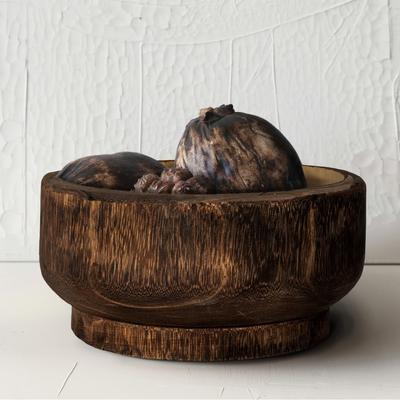

-
What is a caterpillar infestation on a Paulownia bluebell tree?
A caterpillar infestation on a Paulownia bluebell tree refers to a situation where a large number of caterpillars are feeding on the leaves and possibly other parts of the tree. This can lead to significant damage to the tree, as the caterpillars consume the foliage, reducing the tree's ability to photosynthesize and grow. The infestation can be detrimental to the health and appearance of the tree, and if left unchecked, it can even lead to the death of the tree. Control measures such as manual removal of caterpillars or the use of insecticides may be necessary to manage the infestation and protect the tree. **
-
How can one forget culture and heritage?
One can forget culture and heritage by not actively engaging with it, by being disconnected from one's roots and community, and by prioritizing other aspects of life over preserving and celebrating one's cultural identity. This can happen through assimilation into a different culture, lack of exposure to one's own cultural traditions and practices, and a lack of interest in learning about one's heritage. Additionally, societal pressures and discrimination can also contribute to the erasure of one's culture and heritage. **
-
What is the difference between culture and tradition?
Culture refers to the beliefs, customs, arts, and social behaviors of a particular group of people, encompassing a broader range of practices and values. On the other hand, tradition specifically refers to the customs and practices that are passed down from generation to generation within a specific community or society. While culture is more dynamic and can evolve over time, traditions tend to be more static and rooted in history and heritage. **
-
What does Cuban cuisine and eating culture look like?
Cuban cuisine is a fusion of Spanish, African, and Caribbean influences, resulting in a diverse and flavorful culinary tradition. Common ingredients include rice, beans, plantains, and various meats such as pork and chicken. Popular dishes include ropa vieja (shredded beef), arroz con pollo (chicken with rice), and lechón asado (roast pork). Eating culture in Cuba is centered around family and community, with meals often being a social and communal experience. It is common for Cubans to share meals with extended family and friends, and food is an important part of social gatherings and celebrations. **

What is the meaning of tradition, culture, and identity?
Tradition refers to the customs, beliefs, and practices that are passed down from generation to generation within a community or society. Culture encompasses the shared values, beliefs, and behaviors of a particular group of people, including their language, art, music, and social norms. Identity is the sense of self and belonging that is shaped by one's cultural background, traditions, and experiences. Together, tradition, culture, and identity form the foundation of a person's sense of belonging and connection to their community and heritage. **
Where does the Sardinian people originate from?
The Sardinian people are believed to have originated from a mix of different populations that have inhabited the island of Sardinia over the centuries. These populations include the Nuragic civilization, Phoenicians, Carthaginians, Romans, Vandals, Byzantines, and Arabs, among others. The genetic makeup of the Sardinian people is unique and distinct from other populations in Europe, showcasing a blend of different ancestral influences. **
Top-Angebote
Products related to Paulownia:
-
How can Paulownia be used outdoors?
Paulownia can be used outdoors in a variety of ways due to its lightweight and durable nature. It is commonly used for making outdoor furniture such as chairs, tables, and benches. Additionally, Paulownia wood is also used for constructing fences, decking, and pergolas. Its resistance to rot and decay makes it a popular choice for outdoor applications. **
-
How can Paulownia be used in outdoor areas?
Paulownia can be used in outdoor areas in a variety of ways due to its durability and resistance to rot and decay. It can be used to make outdoor furniture, such as benches, tables, and chairs, as well as decking and fencing. Its lightweight nature also makes it a popular choice for outdoor structures like pergolas and gazebos. Additionally, Paulownia wood can be used for outdoor decorative elements such as planters and trellises. **
-
What is a caterpillar infestation on a Paulownia bluebell tree?
A caterpillar infestation on a Paulownia bluebell tree refers to a situation where a large number of caterpillars are feeding on the leaves and possibly other parts of the tree. This can lead to significant damage to the tree, as the caterpillars consume the foliage, reducing the tree's ability to photosynthesize and grow. The infestation can be detrimental to the health and appearance of the tree, and if left unchecked, it can even lead to the death of the tree. Control measures such as manual removal of caterpillars or the use of insecticides may be necessary to manage the infestation and protect the tree. **
-
How can one forget culture and heritage?
One can forget culture and heritage by not actively engaging with it, by being disconnected from one's roots and community, and by prioritizing other aspects of life over preserving and celebrating one's cultural identity. This can happen through assimilation into a different culture, lack of exposure to one's own cultural traditions and practices, and a lack of interest in learning about one's heritage. Additionally, societal pressures and discrimination can also contribute to the erasure of one's culture and heritage. **
Similar search terms for Paulownia
-
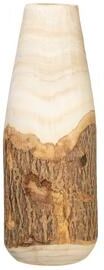
Storied Home Carved Paulownia Wood Vase with Live Edge (Each one will vary)Natural paulownia wood does an amazing job of creating a variety of shapes and designs through its inherent beautiful grains. This vase is a one-of-a-kind in that there are no two sets of grains that match perfectly.37,99 $*Shipping: 0,00 $Secure redirect to the provider
-
What is the difference between culture and tradition?
Culture refers to the beliefs, customs, arts, and social behaviors of a particular group of people, encompassing a broader range of practices and values. On the other hand, tradition specifically refers to the customs and practices that are passed down from generation to generation within a specific community or society. While culture is more dynamic and can evolve over time, traditions tend to be more static and rooted in history and heritage. **
-
What does Cuban cuisine and eating culture look like?
Cuban cuisine is a fusion of Spanish, African, and Caribbean influences, resulting in a diverse and flavorful culinary tradition. Common ingredients include rice, beans, plantains, and various meats such as pork and chicken. Popular dishes include ropa vieja (shredded beef), arroz con pollo (chicken with rice), and lechón asado (roast pork). Eating culture in Cuba is centered around family and community, with meals often being a social and communal experience. It is common for Cubans to share meals with extended family and friends, and food is an important part of social gatherings and celebrations. **
-
What is the meaning of tradition, culture, and identity?
Tradition refers to the customs, beliefs, and practices that are passed down from generation to generation within a community or society. Culture encompasses the shared values, beliefs, and behaviors of a particular group of people, including their language, art, music, and social norms. Identity is the sense of self and belonging that is shaped by one's cultural background, traditions, and experiences. Together, tradition, culture, and identity form the foundation of a person's sense of belonging and connection to their community and heritage. **
-
Where does the Sardinian people originate from?
The Sardinian people are believed to have originated from a mix of different populations that have inhabited the island of Sardinia over the centuries. These populations include the Nuragic civilization, Phoenicians, Carthaginians, Romans, Vandals, Byzantines, and Arabs, among others. The genetic makeup of the Sardinian people is unique and distinct from other populations in Europe, showcasing a blend of different ancestral influences. **
* All prices are inclusive of VAT and, if applicable, plus shipping costs. The offer information is based on the details provided by the respective shop and is updated through automated processes. Real-time updates do not occur, so deviations can occur in individual cases. ** Note: Parts of this content were created by AI.