Buy ilpartitodeisardi.eu ?
We are moving the project
ilpartitodeisardi.eu .
Are you interested in purchasing the domain
ilpartitodeisardi.eu ?
domain@kv-gmbh.de · 0541-91531010
Buy ilpartitodeisardi.eu ?
How can one forget culture and heritage?
One can forget culture and heritage by not actively engaging with it, by being disconnected from one's roots and community, and by prioritizing other aspects of life over preserving and celebrating one's cultural identity. This can happen through assimilation into a different culture, lack of exposure to one's own cultural traditions and practices, and a lack of interest in learning about one's heritage. Additionally, societal pressures and discrimination can also contribute to the erasure of one's culture and heritage. **
How can I quickly learn Indian culture and language?
To quickly learn Indian culture and language, you can start by immersing yourself in Indian media such as movies, music, and TV shows. This will help you familiarize yourself with the language and cultural nuances. Additionally, finding a language exchange partner or taking language classes can help you improve your language skills. Engaging with the local Indian community, attending cultural events, and trying traditional Indian cuisine can also provide valuable insights into the culture. Finally, being open-minded, respectful, and curious about the culture will help you learn and adapt more quickly. **
Similar search terms for Learn
Top-Angebote
Products related to Learn:
-
Scholastic Learn The Alphabet & Numbers CollectionHelp your child learn the alphabet and numbers with this interactive bundle.This set contains:I SPY LettersI SPY NumbersScholastic Early Learners: Write-and-Repeat Alphabet PracticeScholastic Early Learners: Write-and-Repeat Number...44,99 $*Shipping: 0,00 $Secure redirect to the provider
-
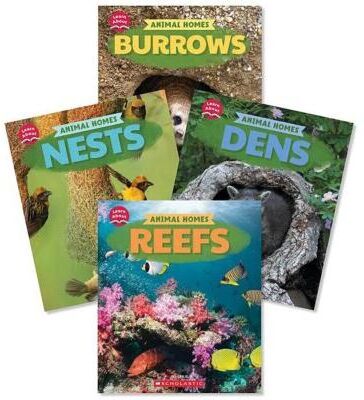
Learn About: Animal Homes Value PackAnimals live in all sorts of amazing homes! These cozy places keep them safe and warm, are conveniently located near food and water, and provide a secure place for their little ones. Some animals build their homes high up in the trees, while others...22,99 $*Shipping: 0,00 $Secure redirect to the provider
-
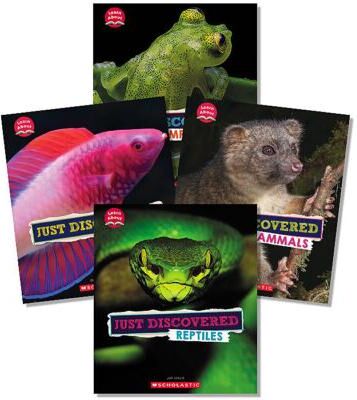
Learn About: Just Discovered Animals Value PackDid you know scientists discover thousands of new species every year? Some are even named after things in popular culture like the Wakanda fish (Black Panther) and the Salazar's pit viper (Harry Potter). This vibrant new set of Learn About books...23,76 $*Shipping: 0,00 $Secure redirect to the provider
-
Little Shepherd Read and Learn Value PackLittle Shepherd Read and Learn Books: Biblically-based stories for children and parents to read, discuss, and grow in faith together.This set includes:Read and Learn: All About Jesus Sticker & Activity BookRead and Learn: Favorite Bible Stories...26,99 $*Shipping: 0,00 $Secure redirect to the provider


-
What is the difference between culture and tradition?
Culture refers to the beliefs, customs, arts, and social behaviors of a particular group of people, encompassing a broader range of practices and values. On the other hand, tradition specifically refers to the customs and practices that are passed down from generation to generation within a specific community or society. While culture is more dynamic and can evolve over time, traditions tend to be more static and rooted in history and heritage. **
-
What does Cuban cuisine and eating culture look like?
Cuban cuisine is a fusion of Spanish, African, and Caribbean influences, resulting in a diverse and flavorful culinary tradition. Common ingredients include rice, beans, plantains, and various meats such as pork and chicken. Popular dishes include ropa vieja (shredded beef), arroz con pollo (chicken with rice), and lechón asado (roast pork). Eating culture in Cuba is centered around family and community, with meals often being a social and communal experience. It is common for Cubans to share meals with extended family and friends, and food is an important part of social gatherings and celebrations. **
-
What is the meaning of tradition, culture, and identity?
Tradition refers to the customs, beliefs, and practices that are passed down from generation to generation within a community or society. Culture encompasses the shared values, beliefs, and behaviors of a particular group of people, including their language, art, music, and social norms. Identity is the sense of self and belonging that is shaped by one's cultural background, traditions, and experiences. Together, tradition, culture, and identity form the foundation of a person's sense of belonging and connection to their community and heritage. **
-
Which culture do you come from and which other culture would you like to learn more about?
I come from a multicultural background, with influences from both Indian and American cultures. I would like to learn more about Japanese culture, as I am fascinated by their traditions, art, and philosophy. I am particularly interested in exploring the concept of wabi-sabi and the traditional tea ceremony, as well as learning about the history and customs of Japan. **
How can I motivate myself to learn natural sciences, history, and culture?
To motivate yourself to learn natural sciences, history, and culture, you can start by setting specific and achievable goals for each subject. Break down the topics into smaller, manageable chunks and reward yourself when you reach each milestone. Additionally, find ways to make the learning process enjoyable, such as watching documentaries, visiting museums, or participating in hands-on experiments. Surrounding yourself with like-minded individuals who share your interests can also provide motivation and support. Finally, remind yourself of the value of gaining knowledge in these areas and how it can contribute to your personal and intellectual growth. **
Can one learn how to learn?
Yes, one can learn how to learn. By developing effective study habits, time management skills, and critical thinking abilities, individuals can improve their ability to acquire and retain new information. Additionally, practicing techniques such as active listening, asking questions, and seeking feedback can enhance one's learning process. Continuous self-reflection and adaptation of learning strategies can further optimize the learning experience. **
Top-Angebote
Products related to Learn:
-
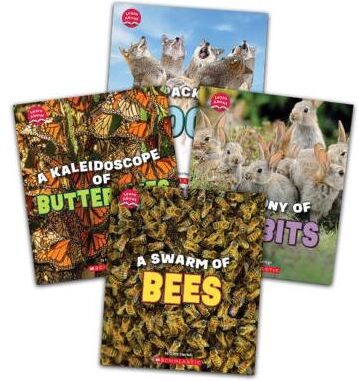
Learn About Animals Value PackWhether it is a group of wild mammals, birds, or even insects, there is a unique name to identify each specific animal group. Groups of bees, butterflies, rabbits, and dogs are the stars of this vibrant new set of LEARN ABOUT books that are packed...23,76 $*Shipping: 0,00 $Secure redirect to the provider
-
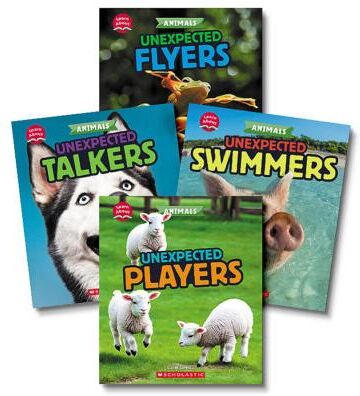
Learn About: Unexpected Animals Value PackThe natural world is filled with animals doing unexpected things! It is hard to believe, but orcas can talk, sloths can swim, some snakes can fly, and octopuses love to play. Each book in this vibrant new nonfiction series explores the unusual...22,99 $*Shipping: 0,00 $Secure redirect to the provider
-
Scholastic Learn The Alphabet & Numbers CollectionHelp your child learn the alphabet and numbers with this interactive bundle.This set contains:I SPY LettersI SPY NumbersScholastic Early Learners: Write-and-Repeat Alphabet PracticeScholastic Early Learners: Write-and-Repeat Number...44,99 $*Shipping: 0,00 $Secure redirect to the provider
-
Learn About: Animal Homes Value PackAnimals live in all sorts of amazing homes! These cozy places keep them safe and warm, are conveniently located near food and water, and provide a secure place for their little ones. Some animals build their homes high up in the trees, while others...22,99 $*Shipping: 0,00 $Secure redirect to the provider
-
How can one forget culture and heritage?
One can forget culture and heritage by not actively engaging with it, by being disconnected from one's roots and community, and by prioritizing other aspects of life over preserving and celebrating one's cultural identity. This can happen through assimilation into a different culture, lack of exposure to one's own cultural traditions and practices, and a lack of interest in learning about one's heritage. Additionally, societal pressures and discrimination can also contribute to the erasure of one's culture and heritage. **
-
How can I quickly learn Indian culture and language?
To quickly learn Indian culture and language, you can start by immersing yourself in Indian media such as movies, music, and TV shows. This will help you familiarize yourself with the language and cultural nuances. Additionally, finding a language exchange partner or taking language classes can help you improve your language skills. Engaging with the local Indian community, attending cultural events, and trying traditional Indian cuisine can also provide valuable insights into the culture. Finally, being open-minded, respectful, and curious about the culture will help you learn and adapt more quickly. **
-
What is the difference between culture and tradition?
Culture refers to the beliefs, customs, arts, and social behaviors of a particular group of people, encompassing a broader range of practices and values. On the other hand, tradition specifically refers to the customs and practices that are passed down from generation to generation within a specific community or society. While culture is more dynamic and can evolve over time, traditions tend to be more static and rooted in history and heritage. **
-
What does Cuban cuisine and eating culture look like?
Cuban cuisine is a fusion of Spanish, African, and Caribbean influences, resulting in a diverse and flavorful culinary tradition. Common ingredients include rice, beans, plantains, and various meats such as pork and chicken. Popular dishes include ropa vieja (shredded beef), arroz con pollo (chicken with rice), and lechón asado (roast pork). Eating culture in Cuba is centered around family and community, with meals often being a social and communal experience. It is common for Cubans to share meals with extended family and friends, and food is an important part of social gatherings and celebrations. **
Similar search terms for Learn
-
Learn About: Just Discovered Animals Value PackDid you know scientists discover thousands of new species every year? Some are even named after things in popular culture like the Wakanda fish (Black Panther) and the Salazar's pit viper (Harry Potter). This vibrant new set of Learn About books...23,76 $*Shipping: 0,00 $Secure redirect to the provider
-
Little Shepherd Read and Learn Value PackLittle Shepherd Read and Learn Books: Biblically-based stories for children and parents to read, discuss, and grow in faith together.This set includes:Read and Learn: All About Jesus Sticker & Activity BookRead and Learn: Favorite Bible Stories...26,99 $*Shipping: 0,00 $Secure redirect to the provider
-
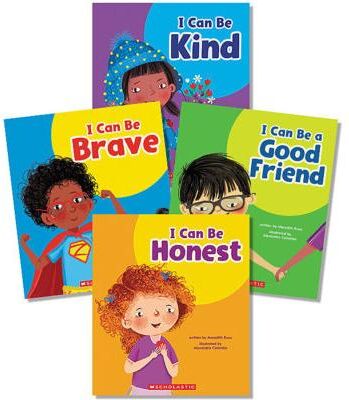
Learn About: Your Best Self (Pack of 4)Learning social skills is a key element of early childhood development and in helping kids develop a healthy identity. These relatable stories in familiar settings explore some of the most important social/emotional needs of young children,...23,76 $*Shipping: 0,00 $Secure redirect to the provider
-
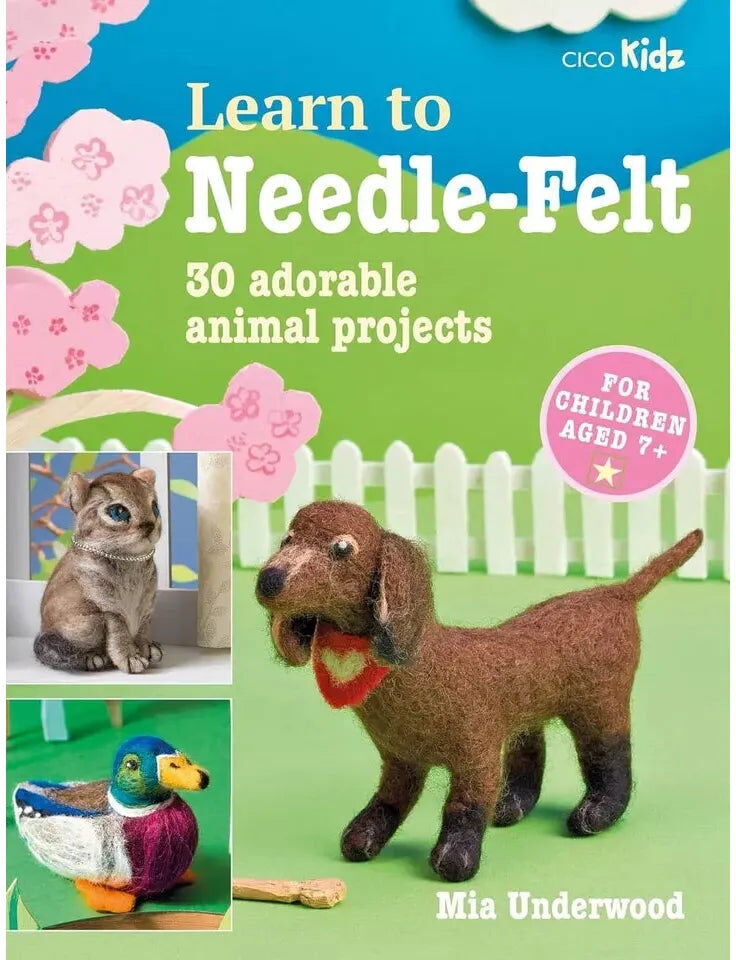
CICO Books Learn to Craft: Learn to Needle-Felt by Mia Underwood - Paperback Kids Craft Book, 30 Animal Projects, Ages 7+Learn to Needle-Felt is a craft book designed for kids aged 7 and up. Written by Mia Underwood, this 128-page paperback is part of the Learn to Craft series. It offers a step-by-step guide to needle-felting, with 30 adorable animal projects to help children build confidence, patience, and fine motor skills. The book starts with simple 2D felted brooches and bookmarks before progressing to more involved 3D designs, such as a snuggly hamster. This beautifully presented craft manual is ideal for creative kids, homeschoolers, and craft-loving families looking for a screen-free hobby.2,99 £*Shipping: 2,99 £Secure redirect to the provider
-
What is the meaning of tradition, culture, and identity?
Tradition refers to the customs, beliefs, and practices that are passed down from generation to generation within a community or society. Culture encompasses the shared values, beliefs, and behaviors of a particular group of people, including their language, art, music, and social norms. Identity is the sense of self and belonging that is shaped by one's cultural background, traditions, and experiences. Together, tradition, culture, and identity form the foundation of a person's sense of belonging and connection to their community and heritage. **
-
Which culture do you come from and which other culture would you like to learn more about?
I come from a multicultural background, with influences from both Indian and American cultures. I would like to learn more about Japanese culture, as I am fascinated by their traditions, art, and philosophy. I am particularly interested in exploring the concept of wabi-sabi and the traditional tea ceremony, as well as learning about the history and customs of Japan. **
-
How can I motivate myself to learn natural sciences, history, and culture?
To motivate yourself to learn natural sciences, history, and culture, you can start by setting specific and achievable goals for each subject. Break down the topics into smaller, manageable chunks and reward yourself when you reach each milestone. Additionally, find ways to make the learning process enjoyable, such as watching documentaries, visiting museums, or participating in hands-on experiments. Surrounding yourself with like-minded individuals who share your interests can also provide motivation and support. Finally, remind yourself of the value of gaining knowledge in these areas and how it can contribute to your personal and intellectual growth. **
-
Can one learn how to learn?
Yes, one can learn how to learn. By developing effective study habits, time management skills, and critical thinking abilities, individuals can improve their ability to acquire and retain new information. Additionally, practicing techniques such as active listening, asking questions, and seeking feedback can enhance one's learning process. Continuous self-reflection and adaptation of learning strategies can further optimize the learning experience. **
* All prices are inclusive of VAT and, if applicable, plus shipping costs. The offer information is based on the details provided by the respective shop and is updated through automated processes. Real-time updates do not occur, so deviations can occur in individual cases. ** Note: Parts of this content were created by AI.