Buy ilpartitodeisardi.eu ?
We are moving the project
ilpartitodeisardi.eu .
Are you interested in purchasing the domain
ilpartitodeisardi.eu ?
domain@kv-gmbh.de · 0541-91531010
Buy ilpartitodeisardi.eu ?
Are children fertile?
Children are not fertile as they have not reached sexual maturity. Fertility refers to the ability to conceive and reproduce, which typically begins during puberty. Children do not have fully developed reproductive systems and are not physically or emotionally ready for parenthood. It is important for children to focus on their growth and development before considering starting a family. **
Are hermaphrodites fertile?
Hermaphrodites can be fertile, depending on the species. In some hermaphroditic organisms, both male and female reproductive organs are functional and can produce offspring. However, in other cases, hermaphrodites may have reduced fertility or be sterile. It ultimately depends on the specific biology and reproductive capabilities of the individual hermaphrodite. **


Similar search terms for Fertile
Top-Angebote
Products related to Fertile:
-
Novica Handmade Tradition Of The Heart Basalt BowlPrepare herbs, spices and sauces the way our ancestors did--with handmade stone tools. The Comonfort Group presents this heart-shaped basalt bowl, crafted by hand in a labor-intensive process.132,98 $*Shipping: 0,00 $Secure redirect to the provider
-
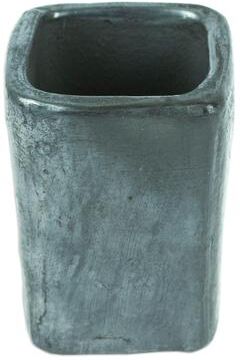
Novida Novica Handmade Festive Tradition Barro Negro Shot GlassMexico's Fernando and Magali Pedro craft a unique creation from traditional barro negro ceramic. After a long and detailed process, this high-quality shot glass is ready to be that elegant item you need for your parties.28,48 $*Shipping: 0,00 $Secure redirect to the provider



-
What are fertile offspring?
Fertile offspring are the offspring of two organisms that are capable of reproducing and producing their own viable offspring. In other words, fertile offspring are able to successfully mate and produce offspring of their own, ensuring the continuation of the species. This is in contrast to infertile offspring, which are unable to reproduce. Fertile offspring are essential for the survival and propagation of a species. **
-
When are the fertile days?
The fertile days for a person with a regular 28-day menstrual cycle typically fall around days 10 to 17 of their cycle. This is when ovulation usually occurs, and the egg is released from the ovary, ready to be fertilized by sperm. It's important to note that everyone's cycle is different, so tracking ovulation signs such as changes in cervical mucus, basal body temperature, and using ovulation predictor kits can help determine the most fertile days for an individual. **
-
Can a sea be fertile?
Yes, a sea can be fertile. Fertility in the sea refers to the ability of the water to support a diverse and abundant marine ecosystem. This can be influenced by factors such as nutrient availability, sunlight penetration, and water temperature. For example, the upwelling of nutrient-rich waters in certain areas can lead to high levels of productivity and fertility in the sea, supporting a wide variety of marine life. **
-
What is a fertile moment?
A fertile moment refers to a period in a woman's menstrual cycle when she is most likely to conceive. This typically occurs around the time of ovulation, when an egg is released from the ovary and is available for fertilization. Fertile moments can vary from woman to woman and can be influenced by factors such as the length of the menstrual cycle and the regularity of ovulation. Understanding when fertile moments occur can be helpful for couples who are trying to conceive, as it can increase the chances of successful fertilization. **

What are the fertile days during ovulation?
The fertile days during ovulation are typically the days leading up to and including the day of ovulation itself. This usually occurs around the middle of a woman's menstrual cycle, approximately 12-16 days before the start of her next period. During this time, the egg is released from the ovary and is available for fertilization by sperm, making conception more likely. It's important to note that sperm can survive in the female reproductive tract for up to 5 days, so having intercourse in the days leading up to ovulation can also result in pregnancy. **
At what age does one become fertile?
Females typically become fertile around the time of their first menstrual period, which usually occurs between the ages of 11 and 14. However, fertility can vary from person to person, and some may become fertile earlier or later. Males generally become fertile around the time they start producing sperm, which typically begins during puberty around the ages of 12 to 16. **
Top-Angebote
Products related to Fertile:
-
RLF Home Tradition Provance Valance"Fits Windows up to 50""W. Use multiples for Wider Windows. Decorator's quality fabrics. Fully lined with Poly/Cotton Ivory lining. Use a 2-1/2"" Continental Rod, a regular 3/4"" Curtain rod, Tension rod or Decorative pole no more than 1-3/8"" Diameter."64,49 $*Shipping: 0,00 $Secure redirect to the provider
-
Les Jardins LED path light Tradition Sensor Corten 90cm Tradition, dimmable, Brown / rust, Aluminium, Modern, outdoor solar lightsThe LED path light Tradition made of aluminum shows a modern cuboid shape and rust-brown corten steel finish. It can be operated autonomously thanks to equipment with solar module, rechargeable battery and motion sensor.- equipped with dimming function- operating time when fully charged: 5 h to 200 h (depending on light output)- protection class: IP66- alternatively rechargeable via USB connection- via ground spike (included) or permanently installable398,43 £*Shipping: 4,99 £Secure redirect to the provider
-
Novica Handmade Tradition Of The Heart Basalt BowlPrepare herbs, spices and sauces the way our ancestors did--with handmade stone tools. The Comonfort Group presents this heart-shaped basalt bowl, crafted by hand in a labor-intensive process.132,98 $*Shipping: 0,00 $Secure redirect to the provider
-
Novida Novica Handmade Festive Tradition Barro Negro Shot GlassMexico's Fernando and Magali Pedro craft a unique creation from traditional barro negro ceramic. After a long and detailed process, this high-quality shot glass is ready to be that elegant item you need for your parties.28,48 $*Shipping: 0,00 $Secure redirect to the provider
-
Are children fertile?
Children are not fertile as they have not reached sexual maturity. Fertility refers to the ability to conceive and reproduce, which typically begins during puberty. Children do not have fully developed reproductive systems and are not physically or emotionally ready for parenthood. It is important for children to focus on their growth and development before considering starting a family. **
-
Are hermaphrodites fertile?
Hermaphrodites can be fertile, depending on the species. In some hermaphroditic organisms, both male and female reproductive organs are functional and can produce offspring. However, in other cases, hermaphrodites may have reduced fertility or be sterile. It ultimately depends on the specific biology and reproductive capabilities of the individual hermaphrodite. **
-
What are fertile offspring?
Fertile offspring are the offspring of two organisms that are capable of reproducing and producing their own viable offspring. In other words, fertile offspring are able to successfully mate and produce offspring of their own, ensuring the continuation of the species. This is in contrast to infertile offspring, which are unable to reproduce. Fertile offspring are essential for the survival and propagation of a species. **
-
When are the fertile days?
The fertile days for a person with a regular 28-day menstrual cycle typically fall around days 10 to 17 of their cycle. This is when ovulation usually occurs, and the egg is released from the ovary, ready to be fertilized by sperm. It's important to note that everyone's cycle is different, so tracking ovulation signs such as changes in cervical mucus, basal body temperature, and using ovulation predictor kits can help determine the most fertile days for an individual. **
Similar search terms for Fertile
-
Kid's Desert Badge Tradition T-Shirt in Smoked Pearl, Size: XS by AriatA mini version of Dad's favorite tee—he'll want to throw this one on more days than not. Soft yet durable, it can withstand hard play and frequent washes. Kid's Desert Badge Tradition T-Shirt in Smoked Pearl, Size: XS by Ariat22,95 $*Shipping: 0,00 $Secure redirect to the provider
-
Can a sea be fertile?
Yes, a sea can be fertile. Fertility in the sea refers to the ability of the water to support a diverse and abundant marine ecosystem. This can be influenced by factors such as nutrient availability, sunlight penetration, and water temperature. For example, the upwelling of nutrient-rich waters in certain areas can lead to high levels of productivity and fertility in the sea, supporting a wide variety of marine life. **
-
What is a fertile moment?
A fertile moment refers to a period in a woman's menstrual cycle when she is most likely to conceive. This typically occurs around the time of ovulation, when an egg is released from the ovary and is available for fertilization. Fertile moments can vary from woman to woman and can be influenced by factors such as the length of the menstrual cycle and the regularity of ovulation. Understanding when fertile moments occur can be helpful for couples who are trying to conceive, as it can increase the chances of successful fertilization. **
-
What are the fertile days during ovulation?
The fertile days during ovulation are typically the days leading up to and including the day of ovulation itself. This usually occurs around the middle of a woman's menstrual cycle, approximately 12-16 days before the start of her next period. During this time, the egg is released from the ovary and is available for fertilization by sperm, making conception more likely. It's important to note that sperm can survive in the female reproductive tract for up to 5 days, so having intercourse in the days leading up to ovulation can also result in pregnancy. **
-
At what age does one become fertile?
Females typically become fertile around the time of their first menstrual period, which usually occurs between the ages of 11 and 14. However, fertility can vary from person to person, and some may become fertile earlier or later. Males generally become fertile around the time they start producing sperm, which typically begins during puberty around the ages of 12 to 16. **
* All prices are inclusive of VAT and, if applicable, plus shipping costs. The offer information is based on the details provided by the respective shop and is updated through automated processes. Real-time updates do not occur, so deviations can occur in individual cases. ** Note: Parts of this content were created by AI.