Buy ilpartitodeisardi.eu ?
We are moving the project
ilpartitodeisardi.eu .
Are you interested in purchasing the domain
ilpartitodeisardi.eu ?
domain@kv-gmbh.de · 0541-91531010
Buy ilpartitodeisardi.eu ?
How can one forget culture and heritage?
One can forget culture and heritage by not actively engaging with it, by being disconnected from one's roots and community, and by prioritizing other aspects of life over preserving and celebrating one's cultural identity. This can happen through assimilation into a different culture, lack of exposure to one's own cultural traditions and practices, and a lack of interest in learning about one's heritage. Additionally, societal pressures and discrimination can also contribute to the erasure of one's culture and heritage. **
Was there a highly developed culture before Atlantis?
There is no concrete evidence to suggest the existence of a highly developed culture before Atlantis. The concept of Atlantis itself is considered a myth by most historians and archaeologists. However, there were certainly advanced civilizations such as the ancient Egyptians, Mesopotamians, and Indus Valley civilizations that existed before the time period often associated with Atlantis. These civilizations had sophisticated technologies, art, architecture, and social structures, indicating a high level of cultural development. **


Similar search terms for Before
Top-Angebote
Products related to Before:
-
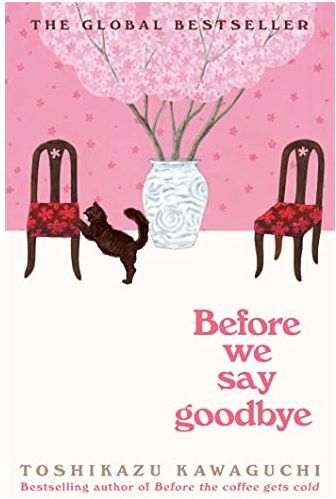
Picador Before We Say Goodbye: Curl up with the magical story of the cosy Tokyo cafe (Before the Coffee Gets Cold, 4)The million-copy bestselling series. Toshikazu Kawaguchi’s poignant Before We Say Goodbye, translated from Japanese, explores the age-old question: what would you do if you could travel back in time? More importantly, who would you want to meet, maybe for one last time?The regulars at the magical Cafe Funiculi Funicula are well acquainted with its famous legend and extraordinary, secret time travel offering. Many patrons have reunited with old flames, made amends with estranged family, and visited loved ones. But the journey is not without risks and there are rules to follow. Travellers must have visited the cafe previously and most importantly, must return to the present in the time it takes for their coffee to go cold. In the tradition of Kawaguchi’s sensational Before the Coffee Gets Cold series, readers are introduced to a new set of visitors:- The husband with something important left to say- The woman who couldn’t bid her dog farewell- The woman who couldn’t answer a proposal- The daughter who drove her father away . . . In the hauntingly beautiful Before We Say Goodbye, Kawaguchi invites us to join his characters as they embark on a journey to revisit one crucial moment in time. Catch up on the rest of the series with Before the Coffee Gets Cold, Tales from the Cafe and Before Your Memory Fades. *Pre-order Book 5, Before We Forget Kindness, now!14,99 £*Shipping: 2,99 £Secure redirect to the provider
-
Lenox Nightmare Before Christmas Accent Plates, Set of 4Jack Skellington's suiting up for a season of cheer and scary-good times! These accent plates will add a touch of fright to otherwise silent nights. Perfect for fans of The Nightmare Before Christmas.53,34 $*Shipping: 0,00 $Secure redirect to the provider
-
Lenox The Nightmare Before Christmas Assorted Tumblers, Set of 4Jack Skellington and his spooky crew are suiting up for a season of chilling cheer and scary-good times! These assorted tumblers will add a touch of fright to otherwise silent nights.40,31 $*Shipping: 0,00 $Secure redirect to the provider
-
The House Of Oud Just Before EDP U 75 mlThe House Of Oud Just Before, 75 ml, Eaux de Parfum unisex, Surround yourself with a fragrance that will make you feel wonderful all day long. The House Of Oud Just Before unisex Eau de Parfum is an expression of optimism and perfect happiness. gourmand fragrance woody fragrance unique fragrance for a unique personality unique fragrance for special occasions unisex fragrance115,60 £*Shipping: 3,99 £Secure redirect to the provider



-
What is the difference between culture and tradition?
Culture refers to the beliefs, customs, arts, and social behaviors of a particular group of people, encompassing a broader range of practices and values. On the other hand, tradition specifically refers to the customs and practices that are passed down from generation to generation within a specific community or society. While culture is more dynamic and can evolve over time, traditions tend to be more static and rooted in history and heritage. **
-
Where does the tradition of eating bread before a vampire come from?
The tradition of eating bread before encountering a vampire comes from Eastern European folklore. It is believed that bread has the power to protect against evil spirits, including vampires. In some cultures, it is thought that the act of consuming bread before encountering a vampire can prevent the vampire from attacking or feeding on the person. This tradition has been passed down through generations as a way to ward off supernatural threats. **
-
What does Cuban cuisine and eating culture look like?
Cuban cuisine is a fusion of Spanish, African, and Caribbean influences, resulting in a diverse and flavorful culinary tradition. Common ingredients include rice, beans, plantains, and various meats such as pork and chicken. Popular dishes include ropa vieja (shredded beef), arroz con pollo (chicken with rice), and lechón asado (roast pork). Eating culture in Cuba is centered around family and community, with meals often being a social and communal experience. It is common for Cubans to share meals with extended family and friends, and food is an important part of social gatherings and celebrations. **
-
What is the meaning of tradition, culture, and identity?
Tradition refers to the customs, beliefs, and practices that are passed down from generation to generation within a community or society. Culture encompasses the shared values, beliefs, and behaviors of a particular group of people, including their language, art, music, and social norms. Identity is the sense of self and belonging that is shaped by one's cultural background, traditions, and experiences. Together, tradition, culture, and identity form the foundation of a person's sense of belonging and connection to their community and heritage. **

Was Judaism a high culture before the conquest by the Romans and Egyptians?
Judaism was not considered a high culture in the traditional sense before the conquest by the Romans and Egyptians. It was a religious and cultural tradition practiced by a relatively small group of people in the ancient Near East. However, Judaism did have a rich and complex religious and intellectual tradition, with a strong emphasis on ethical monotheism, law, and prophetic literature. After the conquests by the Romans and Egyptians, Judaism began to interact with and influence the broader Hellenistic and Roman cultures, leading to the development of a more complex and influential religious and cultural tradition. **
What is Nami's origin on Zoro's island before the timeskip in One Piece?
Nami's origin on Zoro's island before the timeskip in One Piece is that she was originally a member of the Arlong Pirates, a group of fish-men led by Arlong who terrorized the residents of Cocoyasi Village. Nami was forced to work for Arlong as a cartographer in order to buy back her village from him. Despite her allegiance to the Arlong Pirates, Nami secretly plotted to save her village and eventually joined forces with the Straw Hat Pirates to achieve this goal. **
Top-Angebote
Products related to Before:
-
Amici Home Death Before Decaf MugAmici Home Death Before Decaf Mug, Large Mug for Coffee, Tea, and Hot Chocolate, 20 Ounce Ceramic Mug with Black Lettering - New About Amici Home We believe the little things mean something…our mission is to create special moments in your life.69,49 $*Shipping: 0,00 $Secure redirect to the provider
-
Picador Before We Say Goodbye: Curl up with the magical story of the cosy Tokyo cafe (Before the Coffee Gets Cold, 4)The million-copy bestselling series. Toshikazu Kawaguchi’s poignant Before We Say Goodbye, translated from Japanese, explores the age-old question: what would you do if you could travel back in time? More importantly, who would you want to meet, maybe for one last time?The regulars at the magical Cafe Funiculi Funicula are well acquainted with its famous legend and extraordinary, secret time travel offering. Many patrons have reunited with old flames, made amends with estranged family, and visited loved ones. But the journey is not without risks and there are rules to follow. Travellers must have visited the cafe previously and most importantly, must return to the present in the time it takes for their coffee to go cold. In the tradition of Kawaguchi’s sensational Before the Coffee Gets Cold series, readers are introduced to a new set of visitors:- The husband with something important left to say- The woman who couldn’t bid her dog farewell- The woman who couldn’t answer a proposal- The daughter who drove her father away . . . In the hauntingly beautiful Before We Say Goodbye, Kawaguchi invites us to join his characters as they embark on a journey to revisit one crucial moment in time. Catch up on the rest of the series with Before the Coffee Gets Cold, Tales from the Cafe and Before Your Memory Fades. *Pre-order Book 5, Before We Forget Kindness, now!14,99 £*Shipping: 2,99 £Secure redirect to the provider
-
Lenox Nightmare Before Christmas Accent Plates, Set of 4Jack Skellington's suiting up for a season of cheer and scary-good times! These accent plates will add a touch of fright to otherwise silent nights. Perfect for fans of The Nightmare Before Christmas.53,34 $*Shipping: 0,00 $Secure redirect to the provider
-
How can one forget culture and heritage?
One can forget culture and heritage by not actively engaging with it, by being disconnected from one's roots and community, and by prioritizing other aspects of life over preserving and celebrating one's cultural identity. This can happen through assimilation into a different culture, lack of exposure to one's own cultural traditions and practices, and a lack of interest in learning about one's heritage. Additionally, societal pressures and discrimination can also contribute to the erasure of one's culture and heritage. **
-
Was there a highly developed culture before Atlantis?
There is no concrete evidence to suggest the existence of a highly developed culture before Atlantis. The concept of Atlantis itself is considered a myth by most historians and archaeologists. However, there were certainly advanced civilizations such as the ancient Egyptians, Mesopotamians, and Indus Valley civilizations that existed before the time period often associated with Atlantis. These civilizations had sophisticated technologies, art, architecture, and social structures, indicating a high level of cultural development. **
-
What is the difference between culture and tradition?
Culture refers to the beliefs, customs, arts, and social behaviors of a particular group of people, encompassing a broader range of practices and values. On the other hand, tradition specifically refers to the customs and practices that are passed down from generation to generation within a specific community or society. While culture is more dynamic and can evolve over time, traditions tend to be more static and rooted in history and heritage. **
-
Where does the tradition of eating bread before a vampire come from?
The tradition of eating bread before encountering a vampire comes from Eastern European folklore. It is believed that bread has the power to protect against evil spirits, including vampires. In some cultures, it is thought that the act of consuming bread before encountering a vampire can prevent the vampire from attacking or feeding on the person. This tradition has been passed down through generations as a way to ward off supernatural threats. **
Similar search terms for Before
-
Lenox The Nightmare Before Christmas Assorted Tumblers, Set of 4Jack Skellington and his spooky crew are suiting up for a season of chilling cheer and scary-good times! These assorted tumblers will add a touch of fright to otherwise silent nights.40,31 $*Shipping: 0,00 $Secure redirect to the provider
-
The House Of Oud Just Before EDP U 75 mlThe House Of Oud Just Before, 75 ml, Eaux de Parfum unisex, Surround yourself with a fragrance that will make you feel wonderful all day long. The House Of Oud Just Before unisex Eau de Parfum is an expression of optimism and perfect happiness. gourmand fragrance woody fragrance unique fragrance for a unique personality unique fragrance for special occasions unisex fragrance115,60 £*Shipping: 3,99 £Secure redirect to the provider
-
RefectoCil Skin Protection Cream protective cream before dyeing 75 mlRefectoCil Skin Protection Cream, 75 ml, Eyelash Care and Styling for Women, The eye area is a highly sensitive area, as the skin there is exceptionally thin and fragile, making it more susceptible to signs of fatigue and ageing. It therefore also requires special treatment with ingredients and consistencies designed exactly for its needs. The RefectoCil Skin Protection Cream eye mask is great alongside your favourite cream, whenever it feels as though your regular eye area routine needs a bit extra. The mask improves the quality of the skin around your eyes, restoring its vitality and a fresh, rested look. Characteristics: nourishes skin soothes the eye area brightens the eye area quick and easy to apply How to use: Apply a small amount of the product to clean skin in the eye area.7,10 £*Shipping: 3,99 £Secure redirect to the provider
-
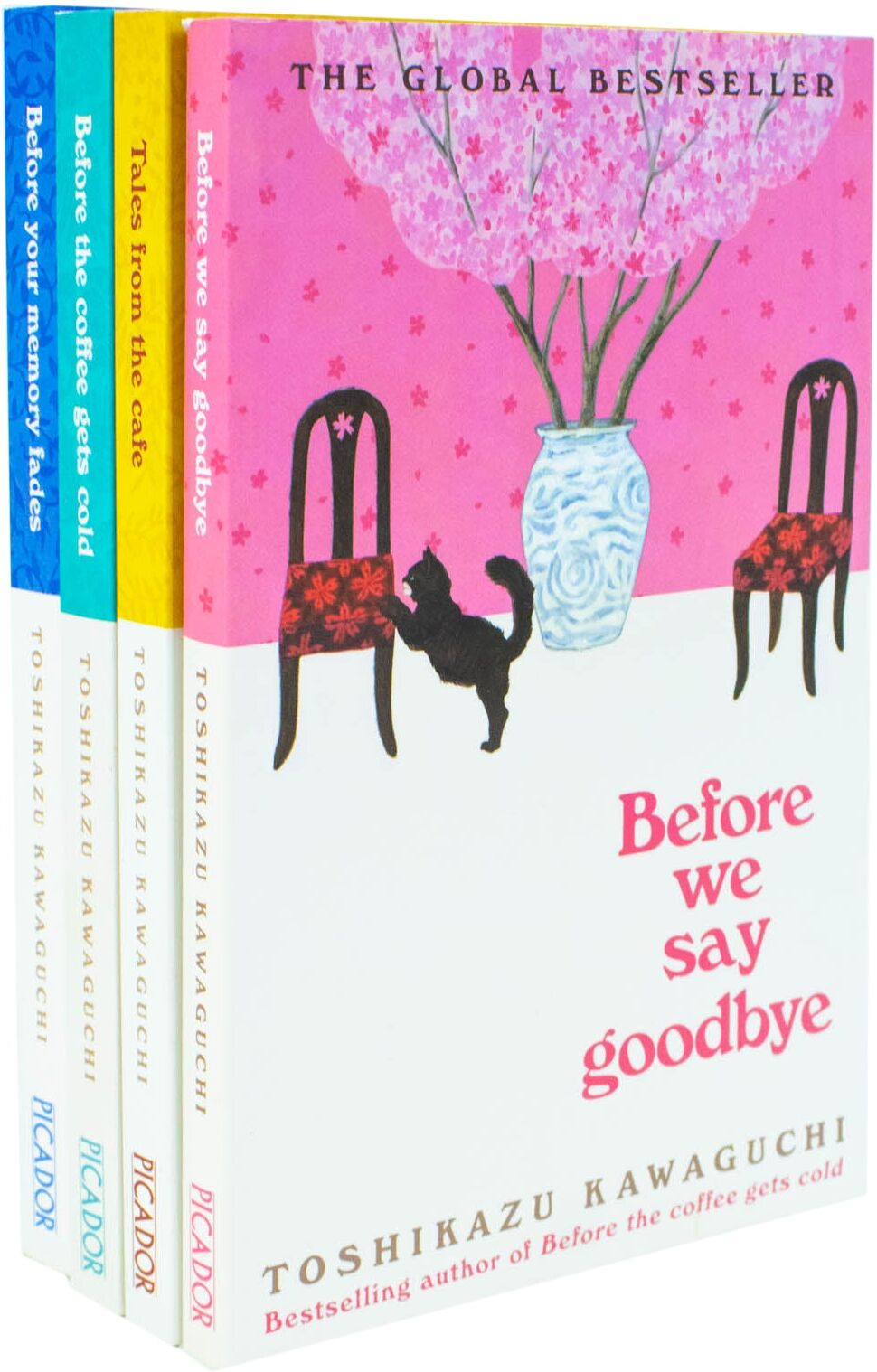
Picador Before the Coffee Gets Cold Series 4 Books Collection Set by Toshikazu Kawaguchi – Before the Coffee Gets Cold, Tales from the Café & Heartwarming JapTitles:Before We Say GoodbyeBefore the Coffee Gets ColdTales from the CafeBefore Your Memory FadesBefore the Coffee Gets Cold Series 4 Books Collection Set By Toshikazu Kawaguchi:Before We Say Goodbye:The regulars at the magical Cafe Funiculi Funicula are well acquainted with its famous legend and extraordinary, secret menu time travel offering. Many patrons have reunited with old flames, made amends with estranged family, and visited loved ones. But the journey is not without risks and there are rules to follow.Before the Coffee Gets Cold:In Before the Coffee Gets Cold, we meet four visitors, each of whom is hoping to make use of the cafe’s time-travelling offer, in order to: confront the man who left them, receive a letter from their husband whose memory has been taken by Alzheimer's, see their sister one last time, and meet the daughter they never got the chance to know.Tales from the Cafe:In a small back alley in Tokyo, there is a cafe which has been serving carefully brewed coffee for more than one hundred years. But this coffee shop offers its customers a unique experience: the chance to travel back in time . . .Before Your Memory Fades:On the hillside of Mount Hakodate in northern Japan, Cafe Donna Donna is fabled for its dazzling views of Hakodate port. But that’s not all. Like the charming Tokyo cafe Funiculi Funicula, Cafe Donna Donna offers its customers the extraordinary experience of travelling through time26,99 £*Shipping: 2,99 £Secure redirect to the provider
-
What does Cuban cuisine and eating culture look like?
Cuban cuisine is a fusion of Spanish, African, and Caribbean influences, resulting in a diverse and flavorful culinary tradition. Common ingredients include rice, beans, plantains, and various meats such as pork and chicken. Popular dishes include ropa vieja (shredded beef), arroz con pollo (chicken with rice), and lechón asado (roast pork). Eating culture in Cuba is centered around family and community, with meals often being a social and communal experience. It is common for Cubans to share meals with extended family and friends, and food is an important part of social gatherings and celebrations. **
-
What is the meaning of tradition, culture, and identity?
Tradition refers to the customs, beliefs, and practices that are passed down from generation to generation within a community or society. Culture encompasses the shared values, beliefs, and behaviors of a particular group of people, including their language, art, music, and social norms. Identity is the sense of self and belonging that is shaped by one's cultural background, traditions, and experiences. Together, tradition, culture, and identity form the foundation of a person's sense of belonging and connection to their community and heritage. **
-
Was Judaism a high culture before the conquest by the Romans and Egyptians?
Judaism was not considered a high culture in the traditional sense before the conquest by the Romans and Egyptians. It was a religious and cultural tradition practiced by a relatively small group of people in the ancient Near East. However, Judaism did have a rich and complex religious and intellectual tradition, with a strong emphasis on ethical monotheism, law, and prophetic literature. After the conquests by the Romans and Egyptians, Judaism began to interact with and influence the broader Hellenistic and Roman cultures, leading to the development of a more complex and influential religious and cultural tradition. **
-
What is Nami's origin on Zoro's island before the timeskip in One Piece?
Nami's origin on Zoro's island before the timeskip in One Piece is that she was originally a member of the Arlong Pirates, a group of fish-men led by Arlong who terrorized the residents of Cocoyasi Village. Nami was forced to work for Arlong as a cartographer in order to buy back her village from him. Despite her allegiance to the Arlong Pirates, Nami secretly plotted to save her village and eventually joined forces with the Straw Hat Pirates to achieve this goal. **
* All prices are inclusive of VAT and, if applicable, plus shipping costs. The offer information is based on the details provided by the respective shop and is updated through automated processes. Real-time updates do not occur, so deviations can occur in individual cases. ** Note: Parts of this content were created by AI.