Buy ilpartitodeisardi.eu ?
We are moving the project
ilpartitodeisardi.eu .
Are you interested in purchasing the domain
ilpartitodeisardi.eu ?
domain@kv-gmbh.de · 0541-91531010
Buy ilpartitodeisardi.eu ?
How can one forget culture and heritage?
One can forget culture and heritage by not actively engaging with it, by being disconnected from one's roots and community, and by prioritizing other aspects of life over preserving and celebrating one's cultural identity. This can happen through assimilation into a different culture, lack of exposure to one's own cultural traditions and practices, and a lack of interest in learning about one's heritage. Additionally, societal pressures and discrimination can also contribute to the erasure of one's culture and heritage. **
What is the difference between culture and tradition?
Culture refers to the beliefs, customs, arts, and social behaviors of a particular group of people, encompassing a broader range of practices and values. On the other hand, tradition specifically refers to the customs and practices that are passed down from generation to generation within a specific community or society. While culture is more dynamic and can evolve over time, traditions tend to be more static and rooted in history and heritage. **


Similar search terms for ACM-Laboratoire-Dermatologique-Boréade
Top-Angebote
Products related to ACM-Laboratoire-Dermatologique-Boréade:
-
ACM Laboratoire Dermatologique Boréade M Sebum-Regulating Mattifying Skincare 40mLA make-up product for oily or blemish-prone skin. Moisturizes and mattifies oily skin. Refines skin texture for a smooth appearance. Contains absorbent powders and the S.M.A complex for sebum regulation. Ideal for combination to oily skin types, with 92% natural ingredients. This light cream moisturizes, mattifies, and soothes oily skin, providing all-day comfort and confidence.13,98 £*Shipping: 5,34 £Secure redirect to the provider
-
ACM Laboratoire Dermatologique Boréade Global Complete Anti-Blemish Skincare 40mLA make-up product for oily or blemish-prone skin. With 90% natural ingredients, this cream effectively corrects imperfections and prevents their reappearance. Corrects skin imperfections and prevents their reappearance. Promotes the disappearance of spots and blackheads. Refines skin texture and tightens pores.14,04 £*Shipping: 5,34 £Secure redirect to the provider
-
ACM Laboratoire Dermatologique Novophane Nail Cream 15mLA skin-care product. This product works on the entire depth of the nail. A protective cream, effective in the daily care of dry, brittle, fragile, weakened nails, with onycholysis or onychorrhexis. Apply daily around the nail and massage gently. Apply, if necessary, after each hand wash. Can be applied over nail polish.12,48 £*Shipping: 4,22 £Secure redirect to the provider
-
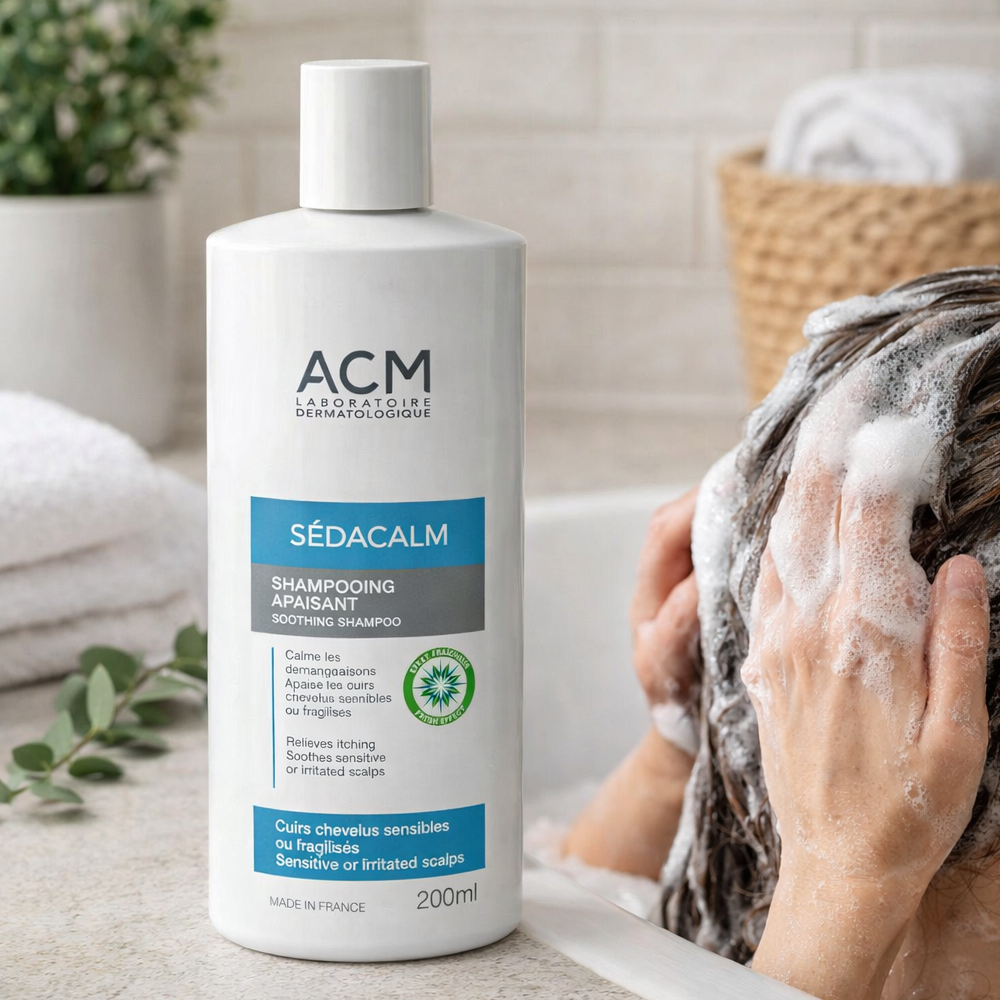
ACM Laboratoire Dermatologique Sédacalm Soothing Shampoo 200mLA shampoo. It a gentle shampoo designed to cleanse, moisturize, and soothe sensitive or irritated scalps that are prone to itching. Its cool and light formula provides an immediate pleasant soothing sensation and freshness, providing greater comfort. The combination of ultra-soft soap bases gently cleanses the scalp without causing dryness.15,56 £*Shipping: 7,11 £Secure redirect to the provider


-
What does Cuban cuisine and eating culture look like?
Cuban cuisine is a fusion of Spanish, African, and Caribbean influences, resulting in a diverse and flavorful culinary tradition. Common ingredients include rice, beans, plantains, and various meats such as pork and chicken. Popular dishes include ropa vieja (shredded beef), arroz con pollo (chicken with rice), and lechón asado (roast pork). Eating culture in Cuba is centered around family and community, with meals often being a social and communal experience. It is common for Cubans to share meals with extended family and friends, and food is an important part of social gatherings and celebrations. **
-
What is the meaning of tradition, culture, and identity?
Tradition refers to the customs, beliefs, and practices that are passed down from generation to generation within a community or society. Culture encompasses the shared values, beliefs, and behaviors of a particular group of people, including their language, art, music, and social norms. Identity is the sense of self and belonging that is shaped by one's cultural background, traditions, and experiences. Together, tradition, culture, and identity form the foundation of a person's sense of belonging and connection to their community and heritage. **
-
Where does the Sardinian people originate from?
The Sardinian people are believed to have originated from a mix of different populations that have inhabited the island of Sardinia over the centuries. These populations include the Nuragic civilization, Phoenicians, Carthaginians, Romans, Vandals, Byzantines, and Arabs, among others. The genetic makeup of the Sardinian people is unique and distinct from other populations in Europe, showcasing a blend of different ancestral influences. **
-
Should the religious heritage and Christian tradition of Europe be more clearly included in the European constitutional treaty?
The inclusion of religious heritage and Christian tradition in the European constitutional treaty is a complex and sensitive issue. While Europe has a rich history of Christian influence, it is also a diverse and secular society. Therefore, any inclusion of religious heritage should be done in a way that respects the diversity of beliefs and values within Europe. It is important to strike a balance that acknowledges the historical significance of Christianity while also upholding the principles of secularism and religious freedom. Ultimately, the decision should be made through careful consideration and dialogue among the diverse communities and stakeholders in Europe. **


What kind of topic is related to the future, tradition, culture, homeland, economy, and Germany?
A topic related to the future, tradition, culture, homeland, economy, and Germany could be the impact of globalization on German culture and economy. This topic would explore how traditional German customs and values are being influenced by globalization, and how the country's economy is adapting to the changing global landscape. It would also consider the future implications for Germany's cultural identity and economic stability in the face of globalization. **
Is East Asian cuisine more varied than European cuisine?
Both East Asian and European cuisines are incredibly varied, with each region offering a wide range of flavors, ingredients, and cooking techniques. East Asian cuisine encompasses the diverse culinary traditions of countries such as China, Japan, Korea, and Thailand, each with its own unique dishes and flavors. Similarly, European cuisine is incredibly varied, with distinct culinary traditions in countries like Italy, France, Spain, and Greece. Ultimately, the variety of both East Asian and European cuisines is a result of the rich diversity of ingredients, cooking methods, and cultural influences found within each region. **
Top-Angebote
Products related to ACM-Laboratoire-Dermatologique-Boréade:
-
ACM Laboratoire Dermatologique Boréade R Soothing Repair Skincare 40mLA make-up product for oily or blemish-prone skin. Introducing Boréade R Skincare: the rich, non-greasy cream that provides moisture and comfort for oily or irritated skin. Provides moisture and comfort for oily or irritated skin. Ideal for acne-prone skin and those affected by dermatological treatments.13,68 £*Shipping: 5,34 £Secure redirect to the provider
-
ACM Laboratoire Dermatologique Boréade R Soothing Repair Lipstick 11mLA lipstick. Introducing Boréade R Lipstick: your essential companion for moisturized, comfortable lips all day long. Provides moisture and comfort for dry, irritated lips. Ideal for use during outdoor activities or dermatological treatments. Nourishes and repairs with a unique repair complex. Contains 98% natural ingredients, including sunflower oil, quinoa peptides, and shea butter.10,07 £*Shipping: 4,22 £Secure redirect to the provider
-
ACM Laboratoire Dermatologique Boréade M Sebum-Regulating Mattifying Skincare 40mLA make-up product for oily or blemish-prone skin. Moisturizes and mattifies oily skin. Refines skin texture for a smooth appearance. Contains absorbent powders and the S.M.A complex for sebum regulation. Ideal for combination to oily skin types, with 92% natural ingredients. This light cream moisturizes, mattifies, and soothes oily skin, providing all-day comfort and confidence.13,98 £*Shipping: 5,34 £Secure redirect to the provider
-
ACM Laboratoire Dermatologique Boréade Global Complete Anti-Blemish Skincare 40mLA make-up product for oily or blemish-prone skin. With 90% natural ingredients, this cream effectively corrects imperfections and prevents their reappearance. Corrects skin imperfections and prevents their reappearance. Promotes the disappearance of spots and blackheads. Refines skin texture and tightens pores.14,04 £*Shipping: 5,34 £Secure redirect to the provider
-
How can one forget culture and heritage?
One can forget culture and heritage by not actively engaging with it, by being disconnected from one's roots and community, and by prioritizing other aspects of life over preserving and celebrating one's cultural identity. This can happen through assimilation into a different culture, lack of exposure to one's own cultural traditions and practices, and a lack of interest in learning about one's heritage. Additionally, societal pressures and discrimination can also contribute to the erasure of one's culture and heritage. **
-
What is the difference between culture and tradition?
Culture refers to the beliefs, customs, arts, and social behaviors of a particular group of people, encompassing a broader range of practices and values. On the other hand, tradition specifically refers to the customs and practices that are passed down from generation to generation within a specific community or society. While culture is more dynamic and can evolve over time, traditions tend to be more static and rooted in history and heritage. **
-
What does Cuban cuisine and eating culture look like?
Cuban cuisine is a fusion of Spanish, African, and Caribbean influences, resulting in a diverse and flavorful culinary tradition. Common ingredients include rice, beans, plantains, and various meats such as pork and chicken. Popular dishes include ropa vieja (shredded beef), arroz con pollo (chicken with rice), and lechón asado (roast pork). Eating culture in Cuba is centered around family and community, with meals often being a social and communal experience. It is common for Cubans to share meals with extended family and friends, and food is an important part of social gatherings and celebrations. **
-
What is the meaning of tradition, culture, and identity?
Tradition refers to the customs, beliefs, and practices that are passed down from generation to generation within a community or society. Culture encompasses the shared values, beliefs, and behaviors of a particular group of people, including their language, art, music, and social norms. Identity is the sense of self and belonging that is shaped by one's cultural background, traditions, and experiences. Together, tradition, culture, and identity form the foundation of a person's sense of belonging and connection to their community and heritage. **
Similar search terms for ACM-Laboratoire-Dermatologique-Boréade
-
ACM Laboratoire Dermatologique Novophane Nail Cream 15mLA skin-care product. This product works on the entire depth of the nail. A protective cream, effective in the daily care of dry, brittle, fragile, weakened nails, with onycholysis or onychorrhexis. Apply daily around the nail and massage gently. Apply, if necessary, after each hand wash. Can be applied over nail polish.12,48 £*Shipping: 4,22 £Secure redirect to the provider
-
ACM Laboratoire Dermatologique Sédacalm Soothing Shampoo 200mLA shampoo. It a gentle shampoo designed to cleanse, moisturize, and soothe sensitive or irritated scalps that are prone to itching. Its cool and light formula provides an immediate pleasant soothing sensation and freshness, providing greater comfort. The combination of ultra-soft soap bases gently cleanses the scalp without causing dryness.15,56 £*Shipping: 7,11 £Secure redirect to the provider
-
Where does the Sardinian people originate from?
The Sardinian people are believed to have originated from a mix of different populations that have inhabited the island of Sardinia over the centuries. These populations include the Nuragic civilization, Phoenicians, Carthaginians, Romans, Vandals, Byzantines, and Arabs, among others. The genetic makeup of the Sardinian people is unique and distinct from other populations in Europe, showcasing a blend of different ancestral influences. **
-
Should the religious heritage and Christian tradition of Europe be more clearly included in the European constitutional treaty?
The inclusion of religious heritage and Christian tradition in the European constitutional treaty is a complex and sensitive issue. While Europe has a rich history of Christian influence, it is also a diverse and secular society. Therefore, any inclusion of religious heritage should be done in a way that respects the diversity of beliefs and values within Europe. It is important to strike a balance that acknowledges the historical significance of Christianity while also upholding the principles of secularism and religious freedom. Ultimately, the decision should be made through careful consideration and dialogue among the diverse communities and stakeholders in Europe. **
-
What kind of topic is related to the future, tradition, culture, homeland, economy, and Germany?
A topic related to the future, tradition, culture, homeland, economy, and Germany could be the impact of globalization on German culture and economy. This topic would explore how traditional German customs and values are being influenced by globalization, and how the country's economy is adapting to the changing global landscape. It would also consider the future implications for Germany's cultural identity and economic stability in the face of globalization. **
-
Is East Asian cuisine more varied than European cuisine?
Both East Asian and European cuisines are incredibly varied, with each region offering a wide range of flavors, ingredients, and cooking techniques. East Asian cuisine encompasses the diverse culinary traditions of countries such as China, Japan, Korea, and Thailand, each with its own unique dishes and flavors. Similarly, European cuisine is incredibly varied, with distinct culinary traditions in countries like Italy, France, Spain, and Greece. Ultimately, the variety of both East Asian and European cuisines is a result of the rich diversity of ingredients, cooking methods, and cultural influences found within each region. **
* All prices are inclusive of VAT and, if applicable, plus shipping costs. The offer information is based on the details provided by the respective shop and is updated through automated processes. Real-time updates do not occur, so deviations can occur in individual cases. ** Note: Parts of this content were created by AI.